Butter Substitute: 13 Tasty Alternatives You’ll Love
This post may contain affiliate links
Butter has long been a staple ingredient in cooking and baking, commonly used for its flavor and texture. Exploring alternatives can introduce new tastes, textures, and potential nutritional benefits. What may begin as a simple substitution often reveals a wide variety of effective and versatile butter substitutes.

Butter plays a big role in how recipes come together. It adds richness and helps create soft, moist textures. In baking, it’s not just for taste—it contributes to leavening, binds ingredients, and helps with browning and flavor development. It’s also an emulsifier, meaning it helps blend ingredients that don’t normally mix, like oil and water.
But there are many reasons to try alternatives. Maybe you’re experimenting with new ingredients, adjusting a recipe to fit dietary preferences, or simply looking for options with different fat types, protein, or plant-based nutrients. For example, olive oil is rich in monounsaturated fats, which may support heart health.
Common butter substitutes
When using a butter alternative, keep in mind that it may change the texture or flavor of the dish. Not all substitutes are 1:1 so you may have to add to or reduce other ingredients to make them work.
Vegetable oil as Butter substitute
Vegetable oil gives the same fat content as butter, but without the water, so baked goods tend to be a bit denser.
Use ¾ cup of oil for every cup of butter. It works great for cakes, quick bread, muffins, stir-fries, and sautéed dishes.
Health Benefits: Vegetable oils are rich in bioactive compounds like phytosterols, polyphenols, and unsaturated fats that offer anti-cancer, anti-diabetic, and organ-protective effects. They help fight inflammation, improve insulin sensitivity, support liver and kidney health, and enhance brain function through antioxidants and essential fatty acids.
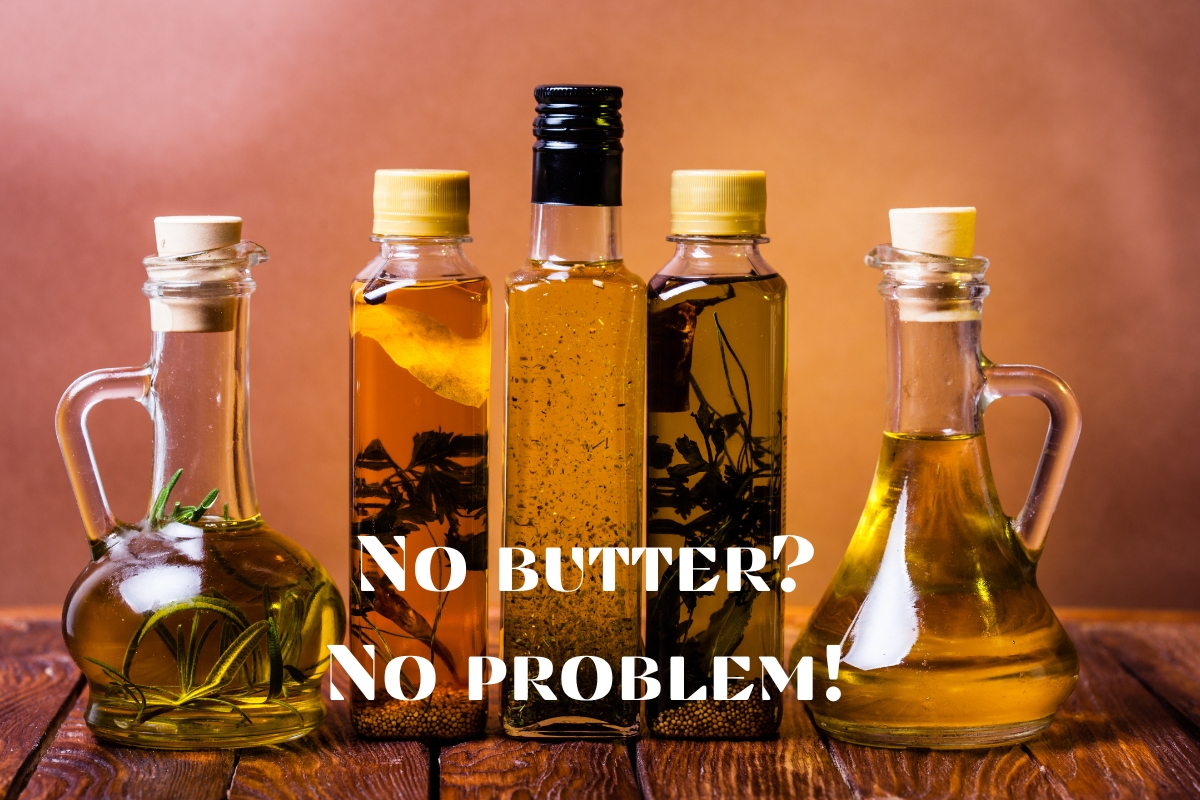
Olive oil as Butter substitute
It works best in recipes that call for melted butter like cakes, muffins and quick bread.
Use ¾ cup for every cup of butter. Stick with light or extra virgin for baking and use it often in sautéing and salad dressings.
The distinct flavor of olive oil can enhance the taste of salad dressings and dips when a recipe calls for melted butter. Olive oil also works for sauteing, stir-frying, sauces and roasting.
Health Benefits: Olive oil and its compounds, like hydroxytyrosol and oleuropein, offer powerful antioxidant, anti-inflammatory, and anti-cancer benefits. They help lower blood pressure, protect the heart, support mitochondrial health, and may reduce the risk of type 2 diabetes and certain cancers. Olive leaf extract has even shown effects similar to some hypertension medications. Compared to seed oils, olive oil is more stable and less prone to oxidation, making it a healthier fat choice overall.
Coconut oil as Butter substitute
This is a go-to when I want a subtle tropical flavor. It works best as a substitute for butter in cookies, cakes, quick bread and pie crusts. Coconut oil also works well in sauteing, stir-frying, frying and sauces.
Use it 1:1 in solid form unless the recipe calls for melted butter.
Health Benefits: Coconut oil may help raise HDL cholesterol, reduce waist size, and improve some inflammatory markers. It contains antioxidants like flavonoids, though its effects on diabetes-related stress and cholesterol are still unclear. Some cancer patients also reported better quality of life with coconut oil, but more research is needed.
“My favorite butter substitute is coconut oil. I add it to my morning porridge or when making pancakes and realize that we are out of butter.”
— Tamara, Thriving In Parenting
Applesauce as Butter substitute
Use ½ cup for every 1 cup of butter. It works best in cakes, muffins, quick breads and pancakes.
Health Benefits: Applesauce is a good source of dietary fiber, especially when made with the peel, which supports digestion and gut health. It contains vitamin C, which helps boost immunity, and natural antioxidants that may help reduce inflammation. Unsweetened applesauce is low in calories and can be a heart-healthy snack or sugar substitute in recipes. It’s also gentle on the stomach, making it suitable for people recovering from illness or with digestive issues.
Buttermilk as Butter substitute
Buttermilk adds moisture and a tangy flavor to your recipe. It adds a tangy kick, and I love it in my cornbread and fluffy muffins.
Use it 1:1 in recipes that call for butter.
Health Benefits: Buttermilk, a by-product of butter churning, is rich in milk fat globule membrane components like phospholipids, offering potential benefits for heart health, immunity, and metabolism.
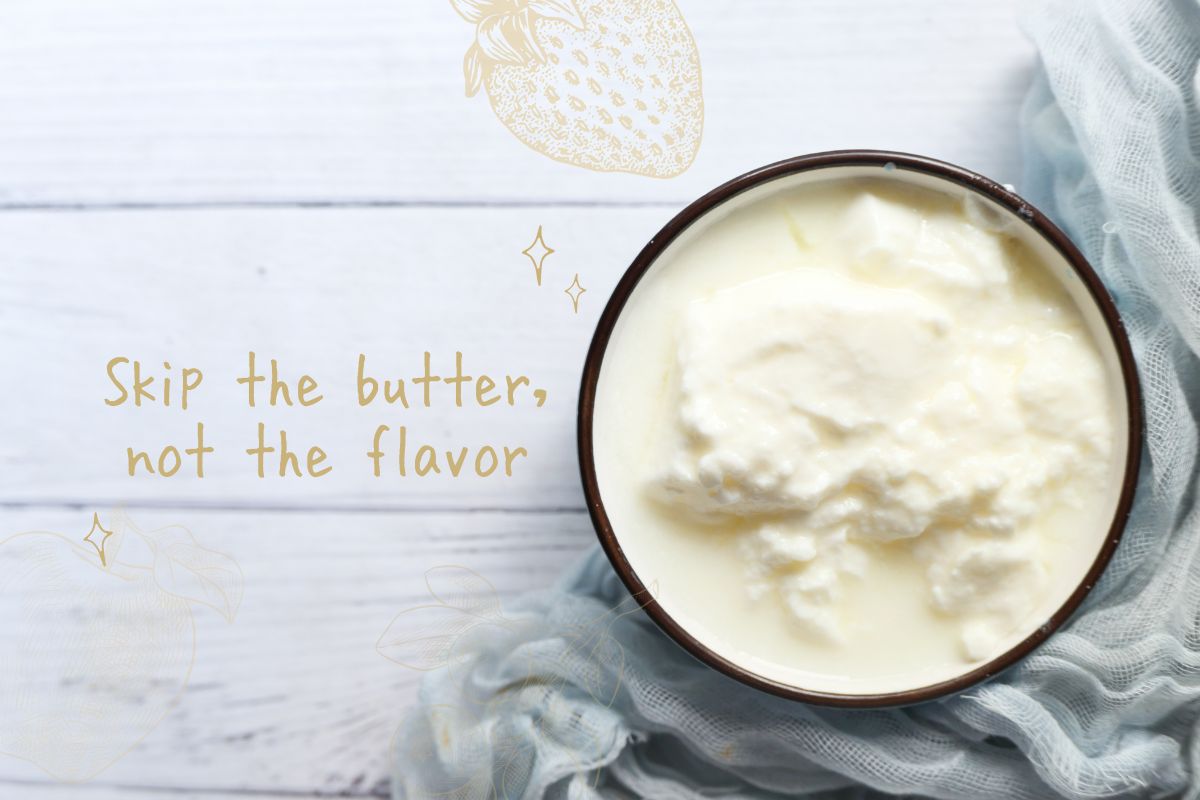
Shortening as Butter substitute
Shortening is a solid fat and has a higher boiling point than butter, which may affect the texture. I rarely use it, but when I do, mostly for cookies, it delivers that classic crumbly texture.
Use it 1:1 but expect a different flavor.
Greek Yogurt as Butter substitute
Plain Greek yogurt has a lot of moisture and adds some tang to the flavor. It adds a velvety texture and lots of protein to your recipe. I love the creaminess and boost of protein it brings.
If the recipe calls for more than ½ cup of butter, I use ½ cup yogurt per cup. If it calls for less, I do a 1:1 swap.
Health Benefits: Greek yogurt is high in protein and calcium, and supports digestive health with probiotics.
Avocado as Butter substitute
Avocado has a similar fat content to butter and takes on the flavors around it so it doesn’t affect the flavor of the recipe.
Swap it 1:1. Works wonderfully in brownies, muffins, and quick bread.
Health Benefits: Avocados are packed with vitamins, minerals, fiber, and healthy fats that support heart health, digestion, vision, and bone strength. Rich in folate, they may lower the risk of cancer and depression, while potassium helps control blood pressure. Their antioxidants protect the eyes, and their nutrients support a healthy pregnancy and reduce inflammation.
Pumpkin Puree as Butter substitute
When fall hits, pull out the pumpkin puree. It adds richness and a hint of seasonal flavor. Make sure the flavor goes with the baked good you are making. Pumpkin puree works best in cakes, muffins, quick bread and pancakes.
Use ¾ cup for every 1 cup of butter.
Health Benefits: Pumpkin supports heart health by improving cholesterol levels and boosting nitric oxide production. It also has anti-inflammatory, antimicrobial, and wound-healing properties, and may aid in prostate health, digestion, and male fertility.
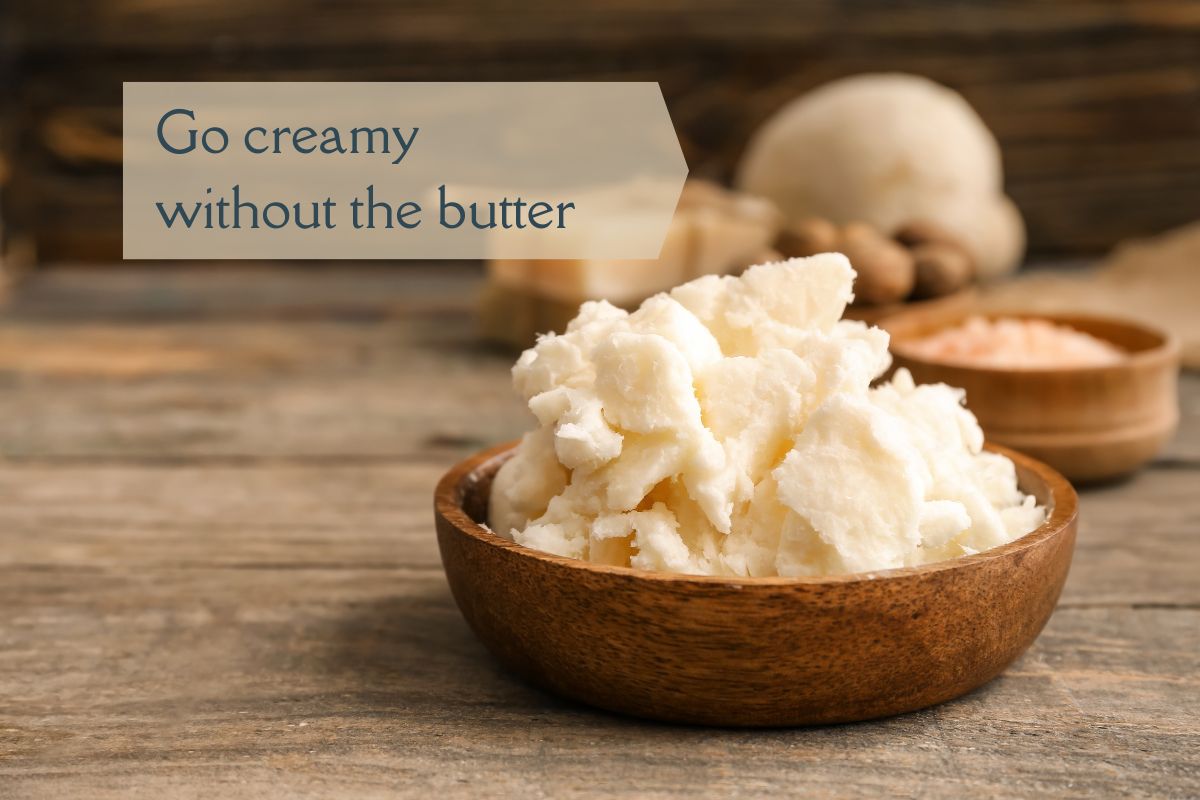
Sour Cream as Butter Substitute
Sour cream makes baked goods super moist. Sour cream adds moisture and tanginess to the final product. Add sour cream when the wet ingredients are called for in your recipe.
Add ½ cup for every cup of butter.
Health Benefits: It provides calcium, but should be used moderately due to fat content.
Nut Butter or Peanut Butter as Butter substitute
I once ran out of butter while making cookies and grabbed peanut butter, the best mistake ever. For best results, add nut butter and oil in place of butter. Nut butters will result in a denser baked goods so they are best for cookies, bars, smoothies, sauces and spreads.
For every 1 cup butter, use ½ cup nut butter + ½ cup oil.
Health Benefits: Nut butters are rich in protein, fiber, and healthy fats.
Seed Butters as Butter substitute
Tahini, aka sesame seed butter and pumpkin seed butter, adds flavor, moisture, and healthy fat. Use ½ cup of seed butter for every cup of butter. Tahini and pumpkin seed butter are great options I discovered through experimenting with spreads.
Use ½ cup for every cup of butter.
Health Benefits: Seed butters contain healthy fats, minerals, and antioxidants.
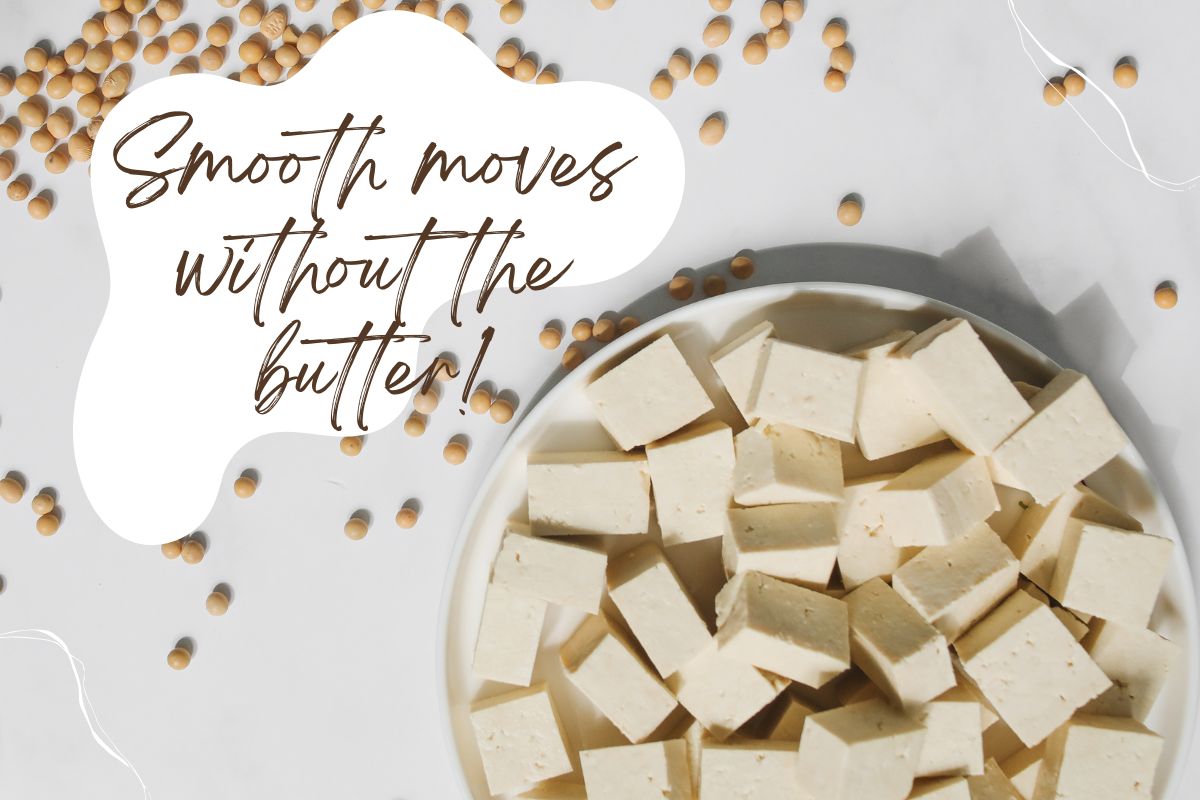
Silken Tofu as Butter substitute
Silken tofu adds moisture, texture and protein to the final product. Silken tofu works best in cakes, muffins, quick bread and cookies.
Use ½ cup silken tofu for every 1 cup of butter. Blend until creamy. You may need to add more baking powder or baking soda so your baked goods rise properly.
Health Benefits: Silken tofu is a nutritious, low-calorie food rich in plant-based protein, healthy fats, calcium, and isoflavones. These compounds may help lower the risk of heart disease, high blood pressure, diabetes, and high cholesterol. It is also easy to digest and widely used as a meat alternative in many cultures.
Final Thoughts
Whether you’re baking, sautéing, or just spreading something on toast, there’s always a tasty option that fits what you need. Not only do they shake things up in the kitchen, but they also come with some pretty great health perks.


