Top 10 Gluten-Free Grains
This post may contain affiliate links
Going gluten-free doesn’t mean sacrificing variety or flavor! There’s a whole world of delicious and nutritious gluten-free grains waiting to be explored. From protein-packed ancient grains to versatile flours perfect for baking, these powerhouse ingredients can take your meals from simple to spectacular—whether it’s breakfast, lunch, or dinner. Ready to expand your pantry? Let’s dive in!

What is Gluten?
Gluten is a protein-rich substance made from wheat flour mixed with water and washed to remove starch and soluble materials. It contains about 75-80% protein and is unique to wheat grains. However, similar proteins in other cereals are often referred to as gluten in non-specialist contexts. These proteins, known as prolamins, include gliadin in wheat, hordein in barley, and secalin in rye.
Gluten proteins are primarily stored in the starchy endosperm of the grain, supporting germination and seedling development. These proteins form a network that gives the dough elasticity and structure, allowing it to rise and maintain its shape. Their distribution and composition vary within the grain, with higher concentrations located in the outer layers of the starchy endosperm.
Gluten is linked to celiac disease, an autoimmune disorder affecting approximately 1% of the population. Celiac disease inflames the small intestine, causing diarrhea, constipation, and malabsorption of essential nutrients like calcium and vitamin D. Consequently, this malabsorption can result in serious long-term health issues, including osteoporosis and anemia. This is particularly concerning for pediatric patients, who may also experience growth delays and short stature as a result.
Celiac disease pathophysiology involves a complex interaction between genetics and environmental factors, leading to an inappropriate immune response to gluten. This response leads to intestinal damage and villous atrophy, as gluten peptides trigger immune reactions and increase intestinal permeability.
A strict gluten-free diet (GFD) is essential for individuals with celiac disease (CD) to avoid worsening symptoms, further intestinal damage, and an increased risk of certain cancers. This diet requires the complete elimination of gluten-containing foods such as wheat, barley, rye, and oats while encouraging the intake of nutritious alternatives like fruits, vegetables, and gluten-free products. The rise in awareness and demand for gluten-free options has led to significant market growth, with sales exceeding $15.5 billion in 2016.
A Comprehensive Guide to Gluten-free Grains
Whether you’re navigating celiac disease or simply exploring new grains, this comprehensive overview will help you make informed choices for a gluten-free diet.
Here are the top 10 gluten-free grains no person should be without:
Quinoa
Quinoa (Chenopodium quinoa) is a highly nutritious pseudocereal that has been cultivated in the Andean region for over 5,000 years. Recognized as a promising crop by the Food and Agriculture Organization in 1996, quinoa is valued for its rich carbohydrate content, high-quality plant-based protein, and well-balanced amino acid profile, comparable to milk casein. In addition to these benefits, quinoa is a source of unsaturated fatty acids, vitamins, and minerals, making it an ideal food for overall health. The plant is resilient and can thrive in diverse conditions, including extreme temperatures and low rainfall, suggesting its potential as a global nutrient source.
Benefits of Quinoa
- High in carbohydrates and protein, providing essential energy.
- Contains all nine essential amino acids, making it a complete protein source.
- Packed with vitamins and minerals like magnesium, iron, and B vitamins.
- Contains antioxidants and anti-inflammatory agents that may support overall health.
- Safe for those with gluten intolerance.
Quinoa can be used in salads, grain bowls, soups, stir-fries, breakfast porridge, baked goods like muffins and pancakes, as well as stuffed vegetables and casseroles.
Brown rice
Rice (Oryza sativa L.) is a staple food for nearly half of the global population. It undergoes processing to produce brown rice. BR retains more health-promoting substances such as dietary fiber, vitamins, and γ-aminobutyric acid (GABA). Despite its benefits, Brown Rice faces challenges in consumption due to its high fiber content and cooking difficulties. However, innovative processing techniques are emerging to enhance its texture and cooking performance.
Benefits of Brown Rice
- Preventing cardiovascular diseases
- Reducing the risk of diabetes
- Aiding in weight management and obesity prevention
- Safe for those with gluten intolerance.
Brown rice features various dishes, including stir-fries, salads, rice bowls, soups, casseroles, sushi, and stuffed peppers.
“My absolute favorite gluten-free grain is brown rice because it’s so versatile. I serve it with everything! From eggs to grain bowls to any type of meat or seafood, brown rice is an excellent base for a meal.”
— Gen La Rocca, Two Cloves Kitchen
Buckwheat
Contrary to its name, buckwheat is not related to wheat and is a great gluten-free option.
Buckwheat is an ancient pseudocereal from the Polygonaceae family, originating in southern China. This highly adaptable plant thrives in high-altitude areas with low rainfall and temperature. Buckwheat has gained recognition as a nutritious food source due to its high content of bioactive compounds.
Benefits of Buckwheat
- Flavonoids and polyphenols: Known for their antioxidant effects, which help combat oxidative stress.
- Dietary fiber: Promotes digestive health and regularity, contributing to overall gut health.
- Essential vitamins and minerals: Such as B vitamins, magnesium, and iron, support various bodily functions.
- Helps reduce the risk of cardiovascular diseases.
- May alleviate inflammation and related conditions.
- Supports blood sugar regulation and improves insulin sensitivity.
- Safe for those with gluten intolerance.
Buckwheat is commonly enjoyed in forms like gluten-free pancakes, baked goods, and noodles and muffins, making it a valuable functional food with the potential for chronic disease prevention.
Amaranth
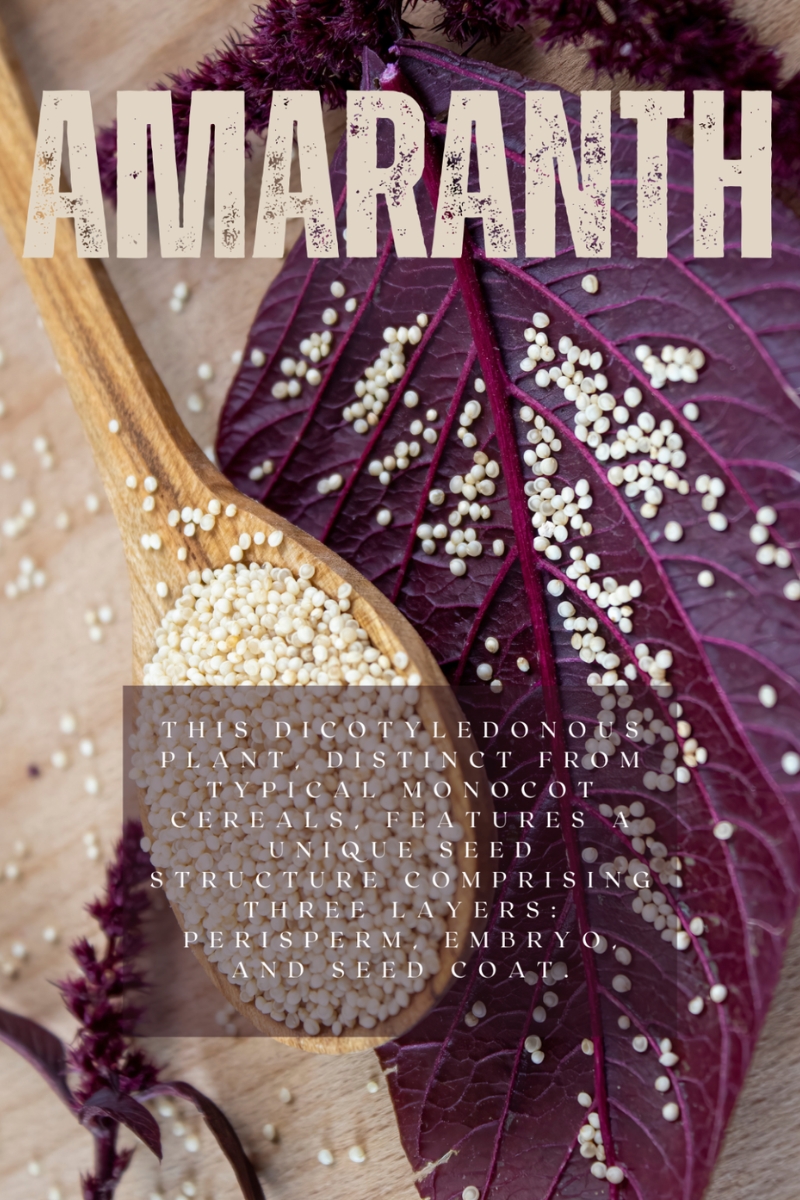
Amaranth (Amaranthus spp.) is an ancient pseudocereal known for its nutritional benefits and adaptability. This dicotyledonous plant, distinct from typical monocot cereals, features a unique seed structure comprising three layers: perisperm, embryo, and seed coat. It is resilient in diverse environmental conditions, including drought and heat. Amaranth is a rich source of protein, minerals, and vitamins A and C, with a well-balanced amino acid profile and gluten-free composition.
Benefits of Amaranth
- High in protein, vitamins A and C, and essential minerals.
- Safe for those with gluten intolerance.
- It helps reduce oxidative stress.
- It may lower inflammation levels.
- Supports cardiovascular health through fiber content.
- Contributes to strong bones with calcium and magnesium.
- Low glycemic index aids in blood sugar control.
- Promotes satiety and helps control appetite.
Amaranth features a variety of dishes, including porridge, salads, soups, and baked goods like bread and muffins. It also works well when popped for snacks or blended into breakfast cereals.
Millet
Millets, ancient cereals from the Poaceae grass family, include widely cultivated species like pearl millet (Pennisetum glaucum) and finger millet (Eleusine coracana).
Benefits of Millets
- Improved digestive health
- Reduced cholesterol levels
- Lower risks of heart disease and diabetes
- Safe for those with gluten intolerance.
“Millet is my favorite gluten-free grain. Whether served like rice, mixed into soups, or shaped into patties, millet is a flavorful and versatile grain with a delightfully airy texture.”
— Kristen Wood, MOON and spoon and yum
Sorghum
Sorghum is a genus in the Poaceae family, particularly in the Andropogoneae tribe, and serves as a staple food for around 500 million people in 30 countries across Africa and Asia. Although it plays a crucial role in global food production, most sorghum, especially in Western countries, is utilized as animal feed.
Its drought and heat resistance, coupled with limited use in Western diets, underscores the need for developing new sorghum-based foods. The grain displays considerable genetic variability that affects its quality, appearance, and color. This can be classified based on plant characteristics, environmental responses, and its uses, such as grain sorghum, sweet sorghum, and broomcorn, as well as by its tannin content, which influences digestibility and nutritional value.
Benefits of Sorghum
- Good source of protein, fiber, vitamins, and minerals.
- Safe for those with celiac disease or gluten intolerance.
- Contains compounds that help fight oxidative stress.
- High fiber supports healthy digestion.
- A low glycemic index helps regulate blood sugar.
- May lower cholesterol and reduce cardiovascular risks.
- Fiber promotes fullness, aiding in weight control.
Sorghum is used in various food preparations such as porridge, flatbread, and deep-fried dishes, as well as in beverages like beer and non-alcoholic drinks. It is also a popular gluten-free substitute for wheat in products like pasta and alternative bread options..
Teff
Teff (Eragrostis tef) is an indigenous Ethiopian grain crop known for its small seeds, primarily used to make injera, a traditional pancake-like food. This annual plant is stress-tolerant and can thrive in various environmental conditions, making it a low-risk crop. This grain is the smallest of all whole flour grains in the world, with a length of about 1.0 mm and a width of about 0.60 mm. The popularity of the crop is rapidly increasing throughout the world because of its attractive nutritional and functional properties.
Benefits of Teff
- High in Essential Amino Acids (EAA): Supports muscle growth and repair.
- Rich in Minerals: Contains calcium and other essential minerals.
- High Crude Fiber Content: Promotes digestive health and regularity.
- Longer Shelf Life: Stays fresh longer compared to other grains.
- Slow Staling: Bread products made from teff stales more slowly than those made from wheat, sorghum, rice, barley, and maize.
- Prevention and Treatment of Celiac Disease: Suitable for gluten-sensitive individuals.
- Support for Diabetes Management: Helps regulate blood sugar levels.
- Combats Anemia: High iron content can improve hemoglobin levels.
Wild rice
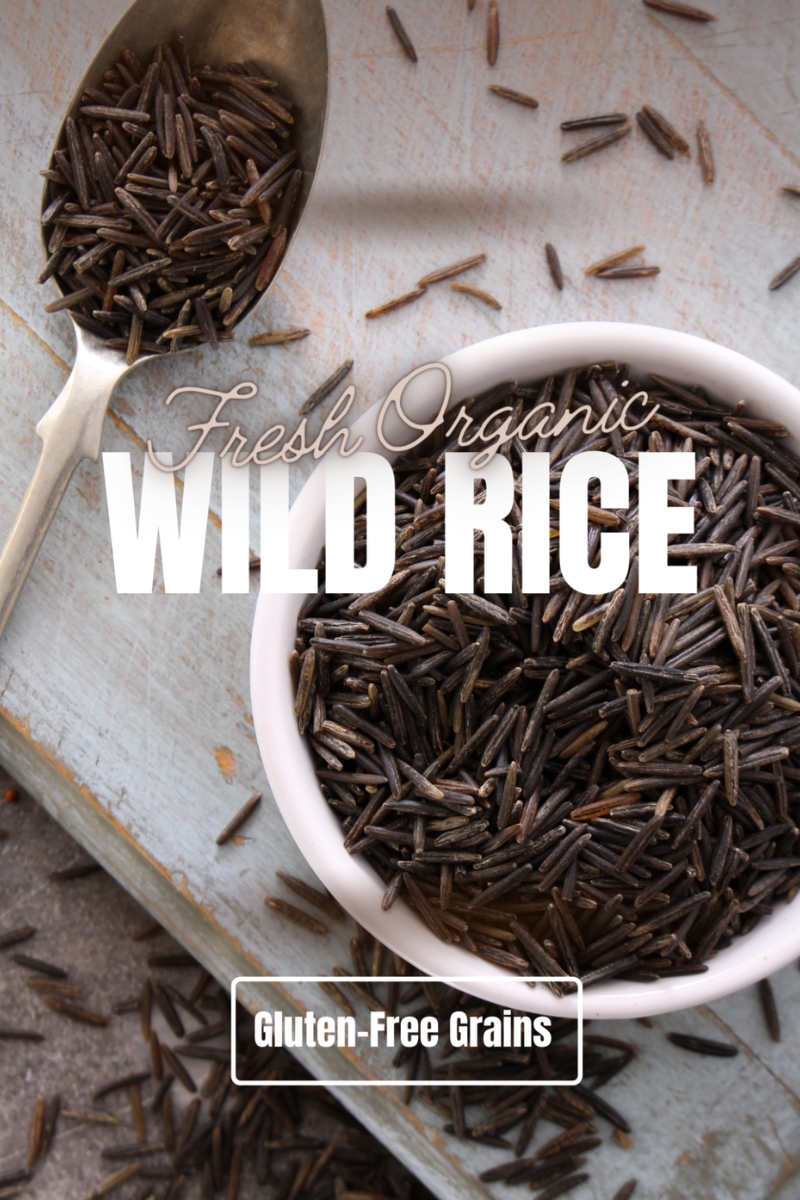
Wild rice is an aquatic grass that resembles rice but is not closely related to it, naturally growing along streams, lake shores, and shallow freshwater swamps. Early English pioneers called it “Indian rice,” while the French named it “folleavoine” due to its similarity to oats. Traditionally, people harvested and consumed its grains in North America and China, where they often eat it as a vegetable. Wild rice has significantly higher antioxidant levels—30 times greater than white rice—along with a slightly higher protein content.
Benefits of Wild Rice
- It contains more protein compared to other whole grains.
- Good source of essential nutrients, including magnesium, manganese, vitamin B6, phosphorus, niacin, and zinc.
- It may help lower lipid and cholesterol levels in the body.
- Lower glycemic index than white rice, beneficial for blood sugar control.
- Safe for those with gluten intolerance.
- High fiber content promotes satiety and aids in weight management
Wild rice dishes include wild rice salad, soup, stuffed peppers, casserole, risotto, bread, grilled cakes, and lentil bowls. Try wild rice pilaf to fall in love with this grain.
Corn
Maize, also known as corn (Zea mays L.), is a vital cereal from the Poaceae family, recognized for its adaptability and high yield potential. Originating in Mesoamerica over 6,000 years ago, maize is a tall annual grass that thrives in both tropical and temperate climates, adapting to various soils.
Among its five species, only Z. mays is widely cultivated for food and animal feed. While it provides significant energy through carbohydrates, it lacks essential amino acids like lysine and tryptophan. Additionally, maize is rich in bioactive compounds and is often fermented to enhance its nutritional value. Consequently, it has become a dietary staple, especially in regions like Africa and Asia.
Benefits of Maize
- Good source of energy due to its high carbohydrate content.
- Contains essential vitamins like B1 (thiamine), C, E, K, and folic acid, contributing to overall health.
- Provides dietary fiber, which supports digestive health.
- Contains important minerals, including potassium, magnesium, and zinc, essential for various bodily functions.
- Antioxidant properties may help protect against oxidative stress.
You can be used in various dishes, including corn on the cob, polenta, gluten-free cornbreads, arepas, tortillas, grits, maize porridge, corn chowder, tamales, corn fritters, and popcorn.
Tapioca
Tapioca, a crucial tropical root crop cultivated primarily in tropical regions, serves as a significant source of dietary energy for over 500 million people, ranking fourth among important food crops in developing countries after rice, maize, and wheat. This grain is rich in carbohydrates, minerals, and protein, and its starchy roots store well for long periods, providing a reserve food source during crop failures.
Benefits of Tapioca
- Rich in carbohydrates, providing a high energy source.
- Contains essential minerals such as calcium, iron, magnesium, and phosphorus.
- Low in allergens, making it suitable for people with gluten or wheat sensitivities.
- Easy to digest, which can benefit individuals with digestive issues.
- The edible leaves contain relatively more protein than other tubers.
Tapioca is used in thickening soups and making gluten-free baked goods, making it an excellent option for those seeking a starchy filler; it can be enjoyed in various dishes like tapioca pudding, bubble tea, cassava chips, or as part of a gluten-free flour mix, and is also perfect for making your own pao de queijo.
Wrapping up
Adding gluten-free grains to your diet benefits those with gluten sensitivities or celiac disease while also supporting overall health. These grains offer a variety of nutrients and flavors, from familiar staples like quinoa and brown rice to unique options like wild rice and tapioca.
Packed with fiber, essential minerals, and antioxidants, each grain brings its own health benefits and can be used in countless ways—whether in salads, soups, baked goods, or beyond.
Exploring gluten-free grains not only expands your culinary options but also helps maintain a well-balanced diet. By trying new recipes, you can discover flavorful, nutritious favorites that nourish your body and keep mealtime exciting


