Cashew Milk: Benefits and How to Make
This post may contain affiliate links
Many people begin exploring plant-based milks with familiar options like almond, oat, or soy. Cashew milk is a newer alternative that offers a creamy texture, making it an excellent choice for lattes, smoothies, and other recipes.

Pouring that first creamy glass of cashew milk felt like a cozy upgrade. It’s rich without being heavy, subtly nutty yet smooth, and blends effortlessly into everything from my morning brew to evening baking.
What is a Cashew Nut
The cashew nut comes from the Anacardium occidentale tree, native to Brazil and the Lower Amazon but now widely cultivated across tropical regions, especially in Africa and Asia. It is a high-value edible seed known for its rich, creamy taste and nutritional benefits. Cashew nuts contain healthy fats, particularly monounsaturated fatty acids, and are considered good for heart health. Nearly half of the nut’s weight is natural, unprocessed fat, including beneficial omega-3 (linoleic acid).
The nut also yields a byproduct called Cashew Nut Shell Liquid (CNSL), a toxic but industrially valuable oil used in brake linings, waterproofing agents, and plastics. While the cashew apple, the fruit attached to the nut, was once overlooked, it is now processed into juices, jams, and other products and is exceptionally rich in vitamin C.
Cashew nuts are mostly harvested from wild trees, with only a small percentage grown on plantations. Despite challenges like poor germination, they are cultivated for both nutritional and industrial value.
What is cashew milk?
Cashew milk is a plant-based drink that is made simply by blending cashews with water. It is then strained to remove any solids, resulting in a smooth, creamy liquid.
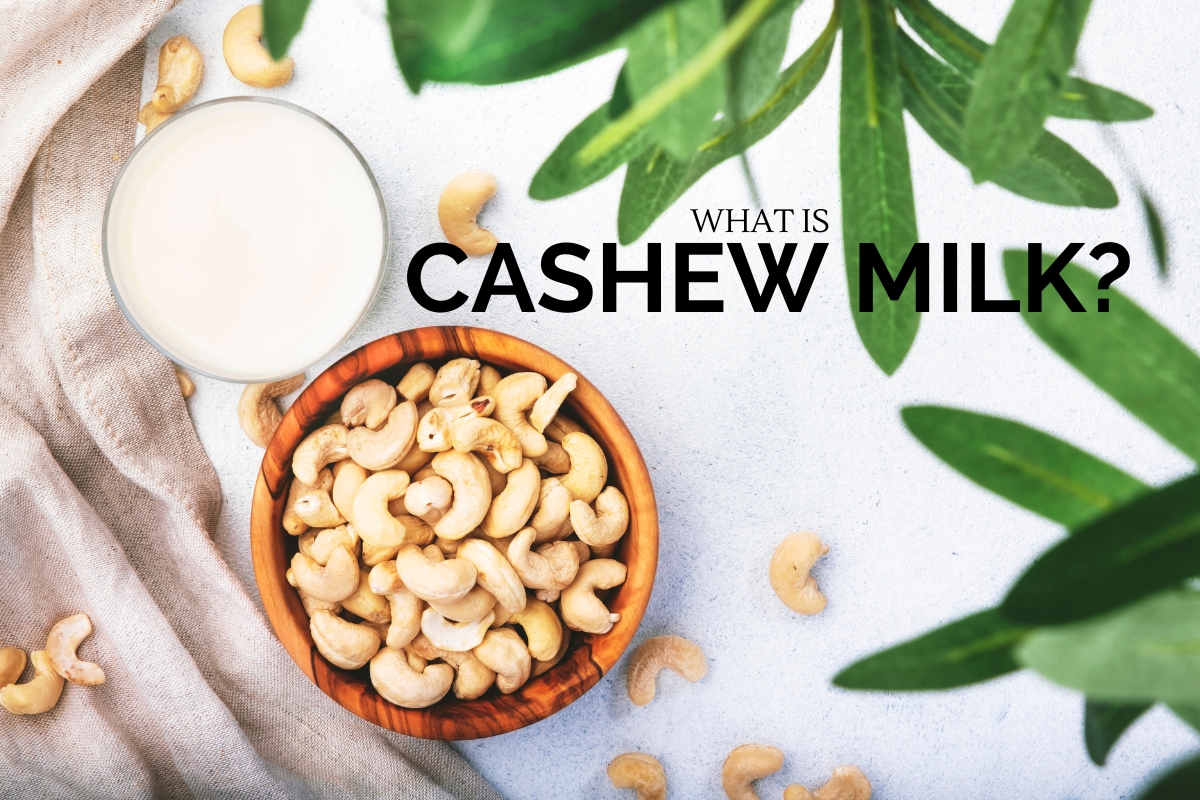
Most store-bought cashew milk contains added ingredients like water, vitamins, and minerals like calcium, thickeners like carrageenan, and, in some varieties, even sweeteners. Homemade cashew milk is far simpler, typically only using cashews and water. However, this DIY version may have a stronger nutty taste and may cost more to make than store-bought cashew milk.
Comparison to other nut milks
Cashew milk is similar to other kinds of nut milk, like almond milk, hemp milk, or macadamia nut milk. However, cashew milk tends to be thicker than almond milk because cashews are higher in fat than almonds.
According to The Healthy, another key difference between cashew milk and other plant-based milks is that cashew milk has a milder flavor and less protein than almond milk. It also works well in coffee, smoothies, and baking. Cashew milk blends easily into recipes, as it doesn’t separate when heated. For this reason, cashew milk is often used in creamy Indian curries like kormas and malai kofta.
Nutritional Profile
Cashew milk boasts a distinct nutritional profile that distinguishes it from both plant-based alternatives and traditional dairy milk, offering a low-calorie option with some essential nutrients. According to the USDA, most varieties of cashew milk contain between 25 and 50 calories per cup, along with 1-2 grams of protein, 2-4 grams of fat, and 3-6 grams of carbohydrates. A study by the Harvard T.H. Chan School of Public Health found that many manufacturers fortify their cashew milk with additional vitamins and minerals, commonly including vitamin D, vitamin B12, calcium, and iron, though the exact nutrient content can vary between brands.
As reported by the National Dairy Council, cashew milk contains fewer calories and less protein than dairy milk. However, while the fat content is similar, cashew milk contains less saturated fat and fewer natural sugars than dairy milk.
A 2021 study published in the Nutrients journal found that fortified cashew milk can match or even surpass dairy milk in terms of calcium and vitamin D content. However, it does not naturally contain the B vitamins and minerals inherent in cow’s milk.
“We love cashew milk for our morning coffee! It’s creamy and a bit sweet and perfect in coffee. We also love making smoothies with cashew milk. It’s especially yummy with banana and berry smoothies!”
— Casey Rooney, Get On My Plate
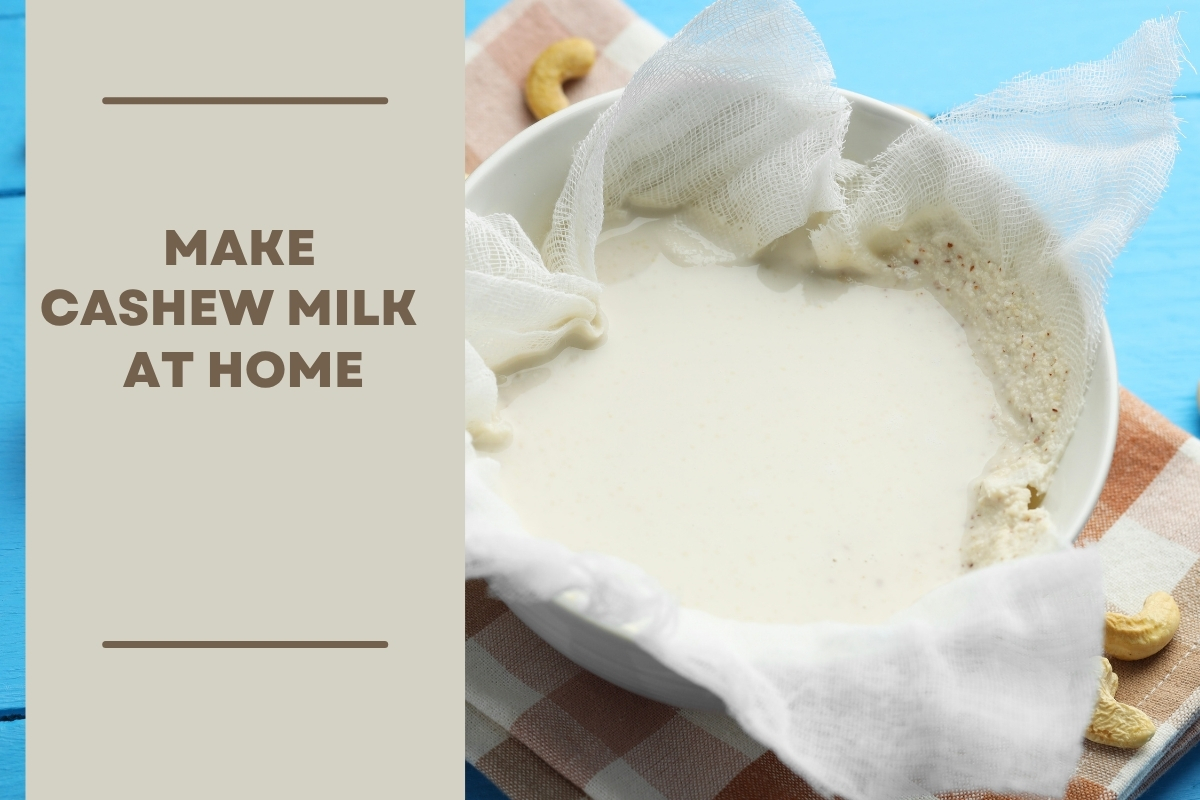
How to make cashew milk at home
Making cashew milk at home is easier than you’d think, and the best part is—you don’t need any fancy equipment. Here’s how I do it:
Soak the Cashews
I start by soaking 1 cup of raw cashews in cold water for 8–12 hours in the fridge. This softens them up and makes blending much smoother.
Drain and Rinse
Once they’ve soaked, I drain and rinse the cashews well.
Blend with Water
I add the soaked cashews to a high-speed blender with 4 cups of fresh water. (You can adjust the ratio if you want your milk creamier or thinner.) Then I blend on high for about 2–3 minutes until it’s silky smooth.
No Straining Needed
Unlike almond milk, I don’t need to strain cashew milk. That’s a huge time-saver and keeps all the nutrients in.
Customize the Flavor (Optional)
Sometimes I like to add:
- A couple of dates or a splash of maple syrup for sweetness
- A pinch of salt to balance flavors
- A touch of homemade vanilla extract for aroma
- Or even some cinnamon or nutmeg if I’m making a flavored plant-based coffee creamer
Blend Again If Needed
After adding any extras, I give it another quick blend to mix everything evenly.
Store It Right
I pour the milk into an airtight container and keep it in the fridge for up to 5 days. Just give it a good shake before each use; separation is normal.
“We absolutely love cashew milk! In comparison to other plant-based milks it’s creamy with a much richer taste so it adds a bit of comfort to anything you pair it with. We make our own with a milk machine so that we can adjust the flavor as much as we want while saving some money from constantly buying store-bought containers.”
— Shelby, Fit as a Mama Bear
How to use cashew milk in cooking and baking
Cashew milk is one of the easiest and most versatile plant-based milks to use in the kitchen. Its mild, slightly nutty flavor blends seamlessly into both sweet and savory dishes. It’s great to make muffins or pancakes because it doesn’t overpower the other ingredients. It keeps the texture light and the flavor balanced.
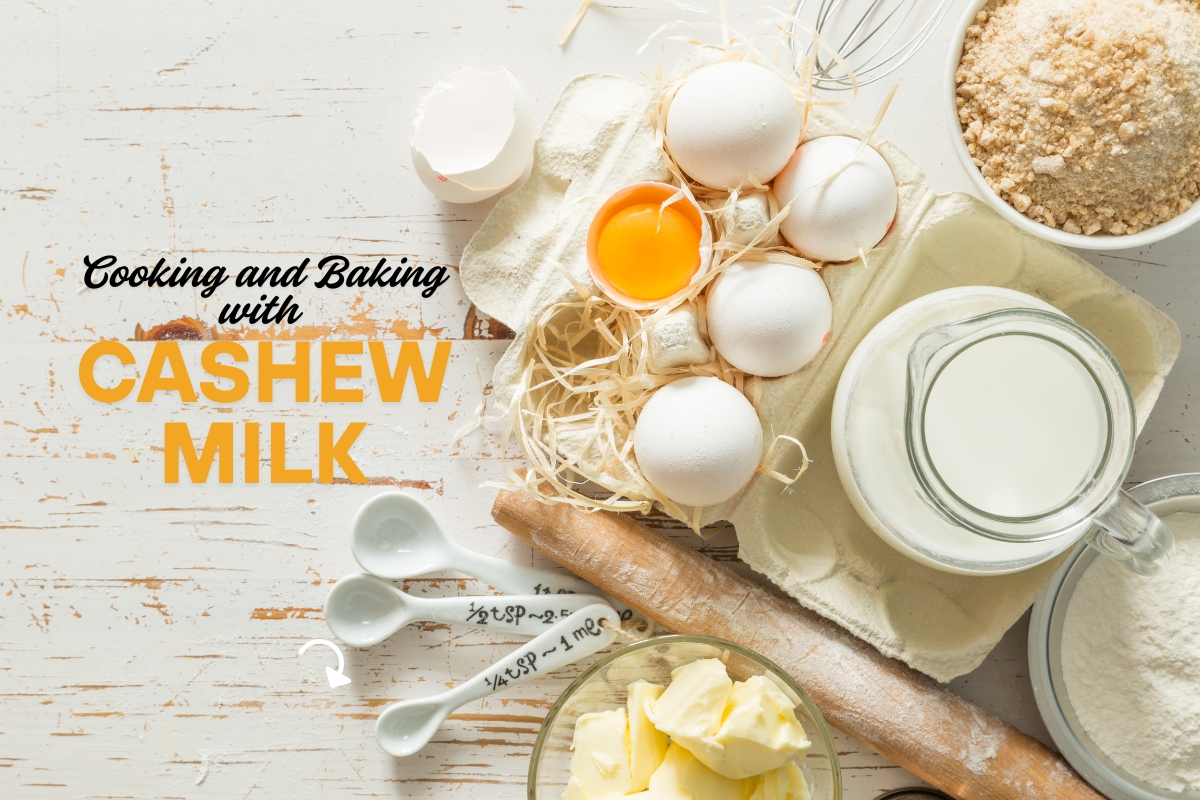
In cooking, it adds plant based creaminess to soups, curries, and pasta sauces. Or even to make a dairy-free mac and cheese.
For breakfast, pour it over cereal, mix it into pancake batter, or blend it into smoothies. You can even add some plant based protein powder to make a dairy free protein shake. It adds a rich, creamy texture without the heaviness.
It’s great to add to your coffee or chai or to make a flavored latte without dairy. And when you’re craving something cozy, blend it with cocoa and a touch of sweetener for a super creamy hot chocolate.
Keep it Nutty
With the growing focus on plant-based proteins in 2025, experts predict continued growth in the cashew milk market. More flavored varieties may appear, such as chocolate or vanilla cashew milk. Improved fortification could boost the nutrient profile to better match dairy milk.
Sustainability certifications for cashews may become more common as consumers focus on ethical sourcing. As people seek to avoid additives and packaging waste, homemade cashew milk could rise in popularity. As plant-based diets trend upward, cashew milk is likely to remain a staple alternative milk option in many households.


